
services
chronic health conditions
picky eating
or arfid
amenorrhea
sports
nutrition
body image
disordered eating
eating disorders
chronic health conditions
picky eating
or arfid
amenorrhea
sports
nutrition
body image
disordered eating
eating disorders
how we can support you:
click the buttons above to explore and learn more
A limited list of “safe foods” that hasn’t changed in years
Anxiety, shame, or embarrassment when eating around others
Avoiding restaurants, travel, or events because of food
Sensory overwhelm with certain textures, smells, or appearance of food
Fear of choking, vomiting, or getting sick from foods
Difficulty maintaining adequate nutrition or energy
Feeling misunderstood by loved ones or judged for being a “picky eater”
Guilt or frustration about feeling stuck in your eating patterns
Feeling disconnected from your body’s needs
Eating patterns that impact your physical health, social life, or mental wellbeing
Nutrition Therapy for
If You’ve Been Experiencing…
picky eating
You’re not alone — your experience is real, valid, and more common than you think. We’re here to walk alongside you with care that honors your sensory needs, food history, and lived experience.
how nutrition therapy can help
What You’ll Gain
More confidence and less fear around new foods
A sense of control without relying on rigid rules or avoidance
Improved energy, digestion, and overall physical health
Strategies for navigating restaurants, travel, social events, and everyday meals
An expanded list of foods you enjoy — at your pace
Less shame and more self-compassion around your eating
A more peaceful relationship with food, your body, and the world around you
meet our


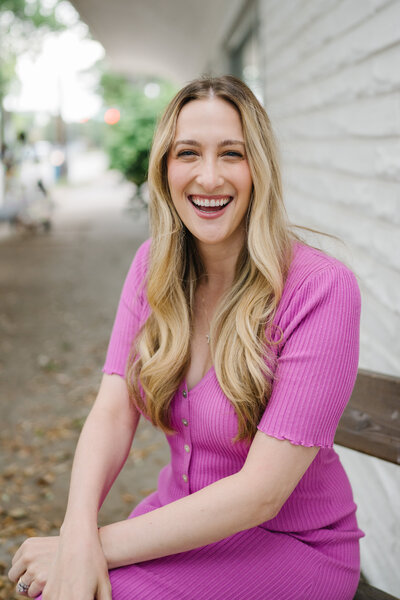

Emily Hahn,
MPH, RDN, CSSD, CEDS-C
Teenagers/young adults, moms, athletes
learn more about us
Emily Alderman,
MS, RDN, LD
Students, LGBTQ+, young adults, working adults
Kylie mitchell,
MPH, RDN, LD, CEDS
Teenagers, college students, young adults, moms, middle age
ready to get started?
You deserve support that sees the full picture — your sensory needs, your food history, your emotional world, and your lived experience.
Let’s take the first step toward feeling safer and more supported with food.
book your session
how it works
submit an online request
Fill out our online form or give us a call so we can gather more information about you to schedule your first appointment.
We also offer a free 15 minute discovery call if you have additional questions.
initial appointment
During this appointment, we will dive into why you’re interested in meeting with a dietitian. We will establish your long-term nutrition goals, evaluate your past/current relationship with food, explore your medical history and more!
During these appointments you'll continue to work with a Dietitian to make progress toward becoming an Intuitive Eater and reaching your long-term health goals.
follow-up appointments
1.
2.
3.
*Prices vary based on Dietitian, request our Pricing and Services Guide for more detailed information.
$200 - $230 per session
pricing
pricing
$110 - $180 per session
about us
At We All Eat Nutrition Therapy, we provide compassionate, individualized nutrition support rooted in Intuitive Eating, Health at Every Size®, and body respect. Our mission is to help you rebuild trust with your body, make peace with food, and support your overall well-being—without diets, shame, or restriction.
We specialize in eating disorders, disordered eating, chronic health concerns, and more, offering inclusive care that honors your lived experience, cultural background, and personal goals. Whether you’re navigating recovery or simply trying to reconnect with your body, you’ll find a safe, affirming space here.
Together, we’ll work toward a more peaceful relationship with food, movement, and yourself—because you deserve care that sees you as a whole person, not a diagnosis.

At We All Eat Nutrition Therapy, we provide compassionate, individualized nutrition support rooted in Intuitive Eating, Health at Every Size®, and body respect. Our mission is to help you rebuild trust with your body, make peace with food, and support your overall well-being—without diets, shame, or restriction.
We specialize in eating disorders, disordered eating, chronic health concerns, and more, offering inclusive care that honors your lived experience, cultural background, and personal goals. Whether you’re navigating recovery or simply trying to reconnect with your body, you’ll find a safe, affirming space here.
Together, we’ll work toward a more peaceful relationship with food, movement, and yourself—because you deserve care that sees you as a whole person, not a diagnosis.
