
Picky eating is one of the most common concerns parents bring to the table (literally). If your child is a selective eater who refuses certain foods, gags at specific textures, or insists on eating the same five meals on repeat, you’re far from alone.
In fact, picky eating is incredibly common during childhood, especially in the toddler and preschool years. But just because it’s common doesn’t mean it’s easy to navigate.
Maybe you’ve found yourself bargaining at dinner, making multiple meals to keep everyone happy, or wondering if your child is getting enough nutrients. If that sounds familiar, you’re in the right place.
This blog post breaks down what picky eating really is, why it happens, and how you can support your child with effective, pressure-free strategies.
Whether your child is going through a phase or their picky eating feels more intense or long-lasting, we’re here to help you feel confident and calm at the table again.
With the right support and structure, most picky eaters are able to increase food variety while still meeting their nutritional needs for healthy growth and development.

Picky Eating Is Common, But It Can Still Feel Overwhelming
Let’s start with a reminder that might ease some of the pressure: picky eating is a normal part of child development.
Nearly all children go through a selective eating phase, typically between the ages of 1 and 5, as they learn to explore their environment, including food, on their own terms.
However, just because it’s common doesn’t mean it feels manageable.
Mealtimes can quickly become battles, leaving parents drained, worried, or even guilty. You may find yourself questioning your parenting choices, stressing about nutrition, or wondering whether your child is being “too picky.”
Here’s the truth: picky eating doesn’t mean you’ve done something wrong.
In many cases, it’s simply your child’s way of navigating the world and developing sense of independence.
Some common reasons children may become picky eaters include:
- Developmental stages: Toddlers and preschoolers crave familiarity and may reject new foods automatically.
- Sensory sensitivities: Some children are more sensitive to textures, smells, or how foods look.
- Shifting appetite: After a period of rapid infant growth, children’s appetites naturally slow.
- Independence seeking: Refusing food is one way children assert control.
- Learning curve: Eating is a skill, and children need time and exposure to get comfortable.
By understanding these natural drivers, you can start to approach meals with less stress and more empathy.
What Causes Picky Eating in Children?
To support a selective eater, it’s helpful to understand the “why” behind the behavior. Knowing the root causes can reduce frustration and help you tailor your approach.
Here are some common causes of picky eating:
- Food Neophobia: This is the fear of new foods. It’s hardwired into many young children as a biological protection mechanism. While frustrating, it’s perfectly normal.
- Sensory processing sensitivities: Some children are particularly sensitive to taste, smell, texture, or even the temperature of food. This may cause them to reject foods that seem fine to others.
- Negative past experiences: If a child gagged or vomited after trying a food, they may associate that food with distress.
- Parental pressure: While well-intentioned, pushing or bribing can make children dig in their heels even more.
- Modeling behaviors: Children often mirror their parents’ attitudes toward food. If a caregiver avoids vegetables or makes negative comments about certain foods, children may follow suit.
- Lack of structure: Without consistent meal and snack times, children may graze throughout the day, leading to poor appetite and less willingness to try new foods.
Each child is unique. Understanding the context behind your child’s picky eating can help you create a supportive plan for change.

How to Help a Picky Eater: The Division of Responsibility Approach
One of the most trusted picky eating strategies is the Division of Responsibility in feeding, a framework developed by registered dietitian Ellyn Satter.
This model creates clear boundaries between the caregiver’s role and the child’s role at mealtimes.
Here’s how the Division of Responsibility in feeding works:
Your job as the parent or caregiver:
- Decide what foods are served
- Decide when food is offered (structured meals and snacks)
- Decide where eating takes place (e.g., at the table)
Your child’s job:
- Decide whether to eat
- Decide how much to eat from what’s offered
When you follow the Division of Responsibility, you remove the pressure from mealtimes.
Children can learn to listen to their own hunger and fullness cues, try new foods at their own pace, and feel safe knowing they won’t be forced or judged.
What Not to Do with a Selective Eater
Sometimes good intentions backfire.
Here are common feeding pitfalls to avoid when dealing with picky eating:
- Don’t pressure your child to take a bite: Forcing food can increase anxiety and reduce willingness to try it later. Trust takes time.
- Don’t bribe or use dessert as a reward: “If you eat your broccoli, you can have ice cream” sends the message that vegetables are a chore and sweets are the prize. This leads to unhelpful labeling of food.
- Don’t label your child as “picky”: Even if it’s true, labels can become part of your child’s identity and lower their confidence to try new things.
- Don’t make separate meals: While it’s helpful to include a familiar “safe food” at meals, regularly cooking entirely different dishes for your child can reinforce picky eating habits and add stress to your routine. Instead, aim to serve one shared family meal with at least one food you know your child usually eats.
- Don’t talk negatively about food: Saying “I don’t like spinach either” may seem validating, but could discourage trying it again. Instead, stay neutral and supportive.
The goal isn’t to “trick” your child into eating…it’s to create a positive, low-pressure environment that fosters curiosity and trust.
Picky Eating Strategies That Actually Work
Here are some practical, evidence-based picky eating strategies you can start using today:
- Keep a consistent meal and snack routine: Structure helps children build hunger and satiety cues. Serve food every 2–3 hours so they come to the table ready to eat, not overly full from grazing.
- Offer one “safe food” at each meal: This is a food you know your child typically eats. Including it helps reduce anxiety around trying new things.
- Let them explore before expecting them to eat: Smelling, touching, or licking a new food counts as progress! Exposure is key.
- Make food fun and interactive: Use cookie cutters, talk about food colors, textures, or shapes. Let go of nutrition talk and make meals about connection.
- Involve your child in food prep: Let them help rinse berries, stir pancake batter, or pick out veggies at the store. Ownership increases interest.
- Model adventurous eating: Even if you don’t like something, show openness. Try saying, “This isn’t my favorite, but I’m going to give it a try.”
- Eat together without distractions: Aim for screen-free meals whenever possible. Family meals build connection and offer natural modeling opportunities.
Remember, picky eating improvements don’t happen overnight. And while expanding food variety matters, the bigger goal goes beyond what your child eats today.

Raising an Intuitive Eater: Supporting a Healthy Relationship with Food
When we talk about picky eating, it’s easy to focus only on increasing food variety.
But the bigger goal isn’t just getting your child to eat more vegetables. It’s raising a child who feels confident, calm, and flexible around food. In other words, raising an intuitive eater.
An intuitive eater is someone who:
- Trusts their hunger and fullness cues
- Feels neutral (not guilty or ashamed) about food
- Doesn’t label foods as “good” or “bad”
- Can enjoy a wide range of foods without fear
- Eats based on internal cues rather than pressure
The foundation for this relationship starts in childhood.
How Picky Eating and Intuitive Eating Connect
When children are pressured, bribed, or shamed at meals, they may learn to disconnect from their internal cues. They might eat to earn dessert, to avoid conflict, or to please adults, rather than eating because they’re hungry.
On the other hand, when you provide structure, stay neutral about food, avoid forcing bites, and respect appetite fluctuations, you protect your child’s ability to:
- Tune into hunger and fullness
- Explore new foods safely
- Trust their body
Your child doesn’t need to love every food to be healthy. They need consistency, emotional safety, and repeated exposure.
Here are some practical ways to support intuitive eating at home:
- Stay neutral about food: Instead of saying “That’s junk” or “You need this because it’s healthy,” describe foods by taste, texture, and function. This reduces shame and moralizing.
- Trust appetite fluctuations: Some days your child will eat more. Some days less. Growth happens in spurts, and appetite naturally rises and falls.
- Avoid the clean plate club: Encouraging children to stop when they’re full helps preserve internal hunger cues. Finishing everything isn’t the goal — body awareness is.
- Keep dessert neutral: When dessert is used as a reward, it becomes more emotionally charged. Serving it occasionally without conditions helps reduce obsession.
- Focus on the long game: You’re not trying to “win” dinner tonight. You’re shaping your child’s lifelong relationship with food.
When Picky Eating Might Be Something More
While most picky eating is developmentally appropriate, and many children naturally grow into confident, flexible eaters, some signs may indicate a need for additional support.
Red flags that picky eating may be more than a phase:
- Eating fewer than 15–20 different foods
- Refusing entire food groups (e.g., no fruits, no proteins)
- Strong aversions to certain textures or smells
- Gagging, vomiting, or crying at the sight of certain foods
- Significant weight loss or growth concerns
- Avoiding social events because of food anxiety
- Extreme rigidity around food brands, colors, or shapes
In these cases, picky eating may be linked to sensory processing challenges, oral motor delays, or anxiety.
The earlier these issues are identified, the sooner your child can get the support they need—and the sooner your family can experience more peaceful meals.
Supporting Your Child Beyond the Plate
Mealtimes aren’t just about nutrition—they’re about connection, communication, and learning.
When you step back from the power struggles and trust the process, you create space for your child to build confidence and a lifelong healthy relationship with food.
With patience, consistency, and trust, most children will expand their food variety over time. Focus on the long game: helping your child feel safe, supported, and confident at the table.
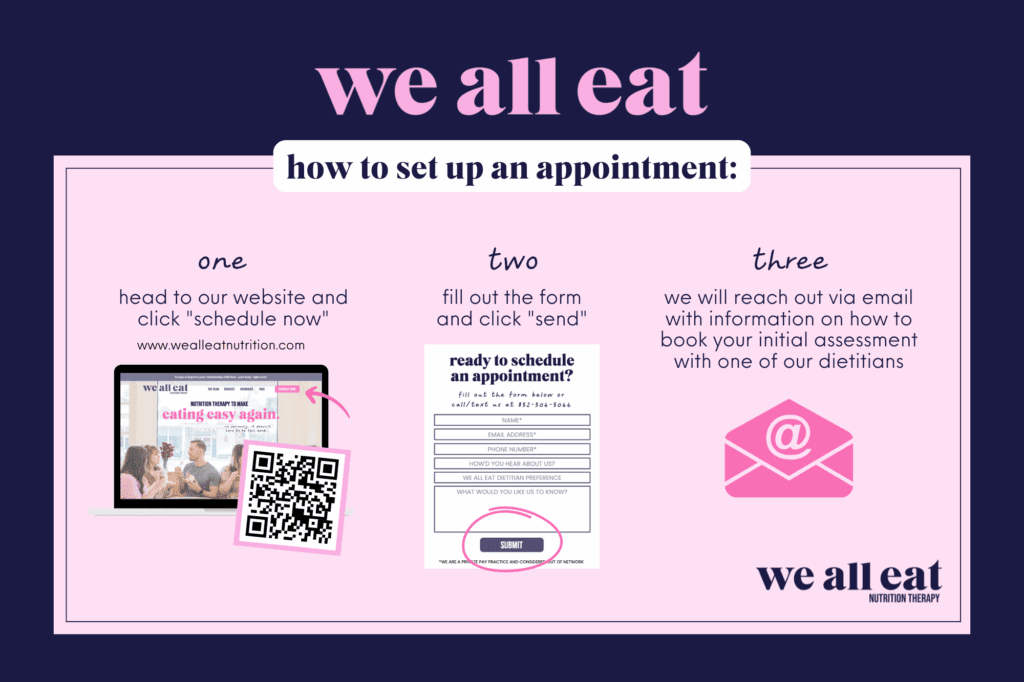
If your child’s selective eating continues to cause stress, we’re here to help. Our team of dietitians provides individualized support for families navigating picky eating, sensory challenges, and mealtime battles.
Book a session here and take the pressure off your plate. Let’s make mealtimes more peaceful, nourishing, and even a little fun again.

